


What’s the key to successful energy management with deZem?
The potential for energy savings is huge, but it is rarely fully utilised. This is where energy management can play a decisive role. The agile approach of deZem enables particularly effective energy management.
Energy management according to ISO 50001
Energy management according to ISO 50001 follows a cyclical process, involving the implementation of energy-saving measures in businesses, buildings, and municipalities. The goal is to increase energy efficiency, reduce costs and minimise CO2-emissions. The basis for this is the PDCA cycle, i.e. planning, implementing, reviewing and learning from energy efficiency measures.
Building on this, we at deZem have developed SENSE, CHECK, ACT, an agile approach that complements the PDCA cycle and facilitates the introduction of ISO 50001.


Rapid success with SENSE, CHECK, ACT
Although projects typically begin with planning, we recommend starting with data collection instead. The reason is simple: with minimal effort, you can quickly gather high-quality data - the perfect foundation for planning and implementing effective optimisation measures.
The improved data transparency enables our customers to quickly identify inefficient system settings and achieve substantial energy savings through needs-based control - usually without expensive investments in new equipment.
Agile IoT sensors & software
Our approach ensures agility by quickly establishing a flexible metering infrastructure with IoT sensors, LoRaWAN and our deZem DataSuite - a high-performance and secure energy management software. It processes almost any type of (metering) data, and existing customer systems can be easily integrated via the appropriate interfaces.


Advantages of agile energy management:
SENSE, CHECK, ACT
- Fact-based basis for decision-making (reduced risk of misinvestment and planning revisions)
- High effectiveness through customised optimisation measures
- Quantitative performance review (before/after measurement data available)
- Agile implementation and rapid savings effects in just a few weeks
- Targeted non-investment measures possible
- "Low hanging fruits" are quickly recognised and realised
- Quick start pilot projects are carried out at major loads, followed by a wider rollout

Our tip:
Climate control and ventilation systems account for 30–50% of total energy consumption in many buildings and are often not optimally configured. With sensors and smart controls, the air exchange rate can often be halved - without any loss of comfort! This could reduce electricity costs to one eighth. Many of our clients have achieved these impressive results without expensive investments and in a very short time. The Harvy2 power sensor is perfectly suited for this purpose.
Your roadmap: How to SENSE, CHECK, ACT with deZem in just 6 steps

Demo talk
Focus on your needs:
You explain your goals - we present our powerful energy management software and hardware solutions. Together, we define the ideal starting point: whether it's a full system overview, monitoring of critical loads, or a targeted pilot project.

Assessment
We visualise the status quo:
After commissioning, we draw up an initial metering concept. We seamlessly integrate existing data sources (e.g. MSCONS, GLT, SAP) and define where new, smart metering technology creates the greatest added value for you.
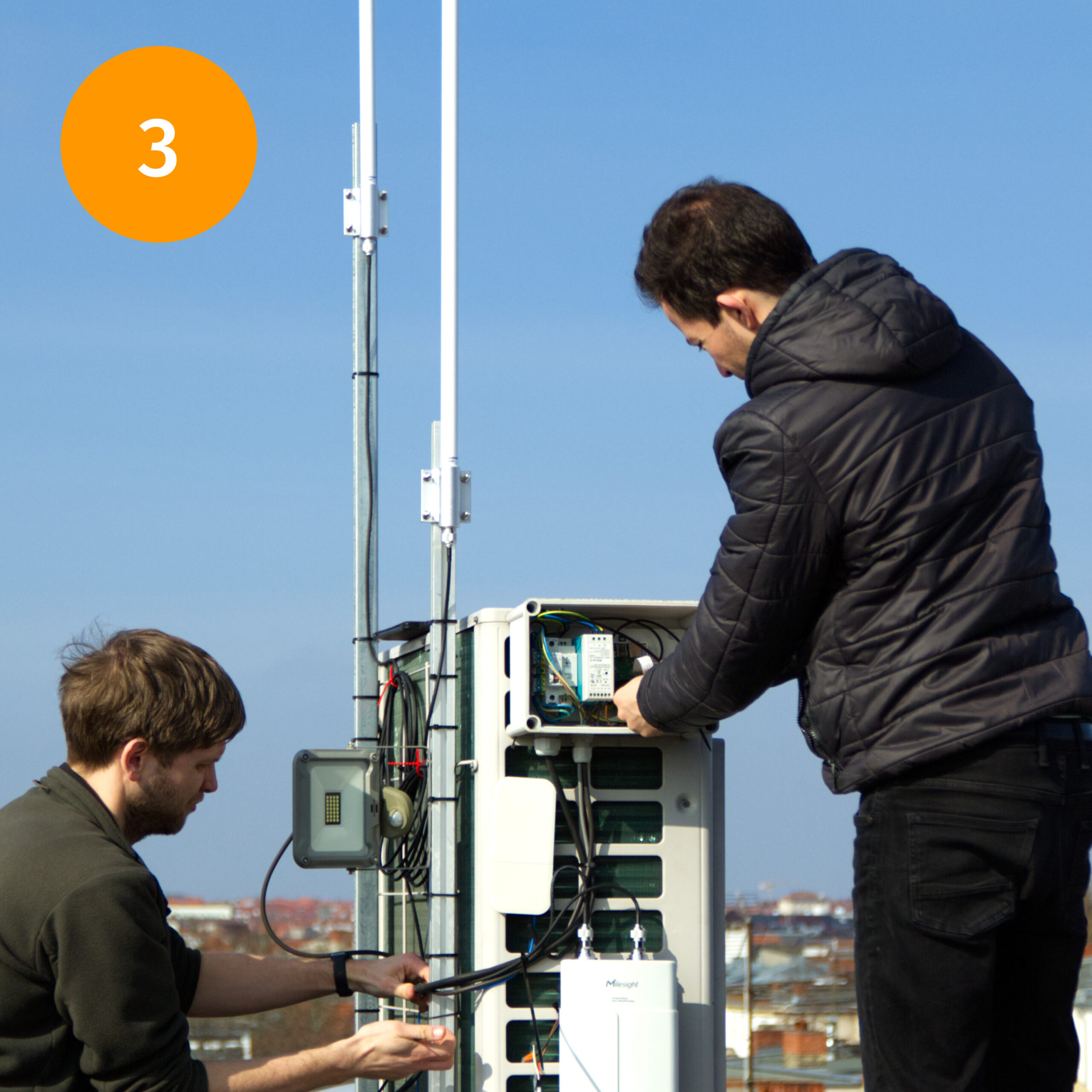
Setup / data acquisition
Quick first results:
After the installation of agile metering technology and the integration of existing data - often completed within just a few weeks - measurement data begins to flow into the deZem platform and is visualised for you.

Evaluation / Actions
Gain valuable insights:
You can already draw the first important conclusions from the collected data. You will recognise interesting correlations and identify which optimisation measures promise the greatest success.

Expansion
Creating more transparency:
Your metering infrastructure is expanded as required - additional sensors on machines, systems or buildings create a highly detailed and meaningful database.

Optimisation / KPI tracking
Exploit optimisation potential:
You can now compare your systems and buildings, define clear and meaningful energy performance indicators (EnPIs), and start your continuous optimisation process. This is SENSE, CHECK, ACT in practice!


